

Reflections on Integration, Therapy, and Meaningful Change
Thoughtful writing exploring nervous system healing, somatic integration, expanded states, and the deeper process of transformation.
Featured Resources
New to Psychedelic Integration or Medically Supported KAP?
Here are some resources you can download:

A Beginner's Guide to Psychedelic Therapy

How to Prepare for Ketamine-Assisted Psychotherapy
Set, Setting, and Intention: A Guide to Meaningful Inner Work

The Shiftwave Chair: How Body-Based Technology Can Support Real Therapeutic Work
The Shiftwave Chair uses pulsed pressure waves and vibration to help a chronically stressed or dysregulated nervous system find its way back toward regulation. A therapist on what the chair actually does, how it works alongside therapy, and who tends to benefit most.

Why Healing Has to Reach the Body
You can understand exactly why you shut down, name where it came from, describe what it protects. And then your partner says the wrong thing on a Tuesday night and your body reacts like nothing changed. A Pasadena therapist on the gap between knowing and being, and the work that closes it.

Psychedelic Integration: Why the Real Work Begins After the Journey
The medicine is wearing off, you're back in your body, and the ordinary world is asking you to be ordinary again. Almost no one prepares you for that moment. A Pasadena therapist on why integration is where the real work happens, the four traps people fall into afterward, and what to do when the journey was hard.

What Compass Pathways’ Phase 3 trial results could mean for patients with depression.
New Phase 3 results from Compass Pathways suggest psilocybin therapy may soon become an FDA-approved treatment for depression—potentially reshaping how care is delivered for those who haven’t found relief.

Integration After a Profound Experience: What People Often Don't Expect
The period after a profound experience can be unexpectedly complex. Integration therapy helps make sense of emotional shifts and turn insight into grounded, lasting change.

What Would It Take for You to Be Still?
The people who most need to slow down are often the ones who find it hardest — because their speed has been quietly protecting them from what's underneath. This is a piece about why stillness is so difficult for high achievers, and what it actually takes to come back into your own life.

Preparing for Ketamine-Assisted Therapy: What Actually Helps
The provider is chosen and the session is on the calendar. Now what? Preparation isn't a formality before the real thing. It's part of how the medicine works, and what you bring into the room is what the session has to work with.

Why Your Brain Prefers Familiar Suffering to Unfamiliar Healing
Some of the most stubborn human patterns — staying in what hurts, recreating old dynamics, backsliding just as life improves — make sense once you understand that the brain's deepest drive is to reduce uncertainty, not to increase happiness. A Pasadena therapist on the free-energy principle, why familiar suffering is stickier than new joy, and what it actually takes to update the patterns that keep us stuck.

Why Insight Alone Doesn’t Always Lead to Change
Understanding your patterns is important—but it’s often not enough. Real change happens when insight is integrated through emotional and nervous system work.
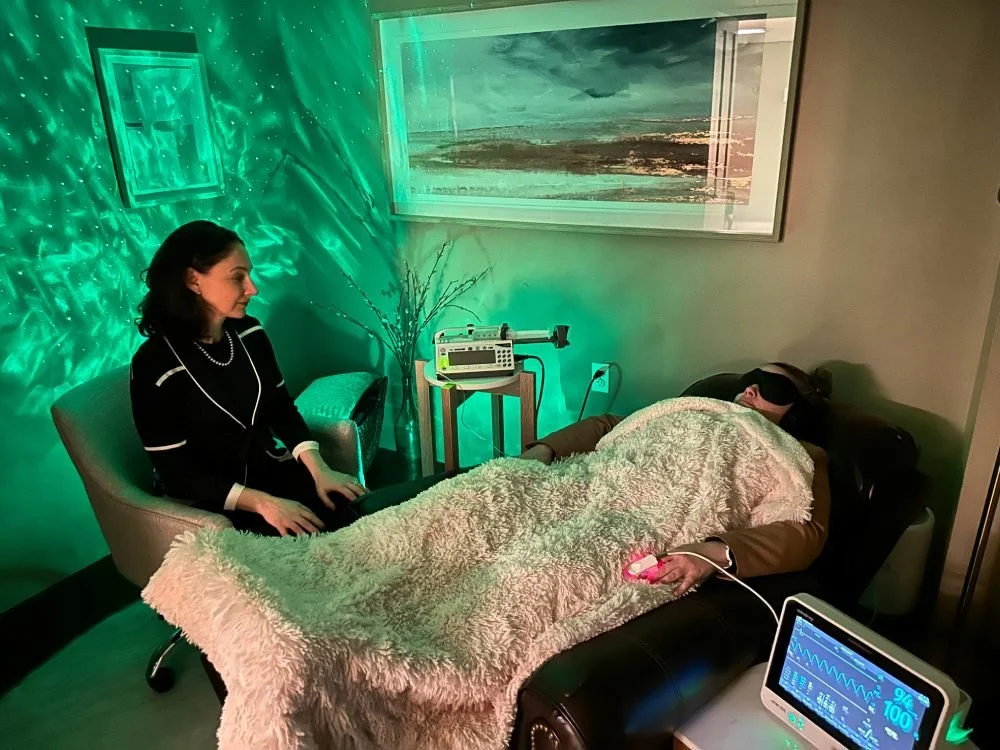
What the Research Actually Shows About Ketamine-Assisted Psychotherapy
A 2019 study of more than 200 KAP patients showed meaningful improvements in depression, anxiety, and trauma — with the strongest gains in people who hadn't responded to other treatments. A therapist on what the research actually shows about ketamine-assisted psychotherapy and what it means for people considering it.

What Is Integration Therapy, and Why It's Not Just for Psychedelics
You come home from a ten-day retreat changed in ways you can't articulate, and your friends ask how the food was. Your mother dies, and three months later everyone assumes you're back to normal. A Pasadena therapist on integration therapy for any profound experience, not just the ones involving medicine.
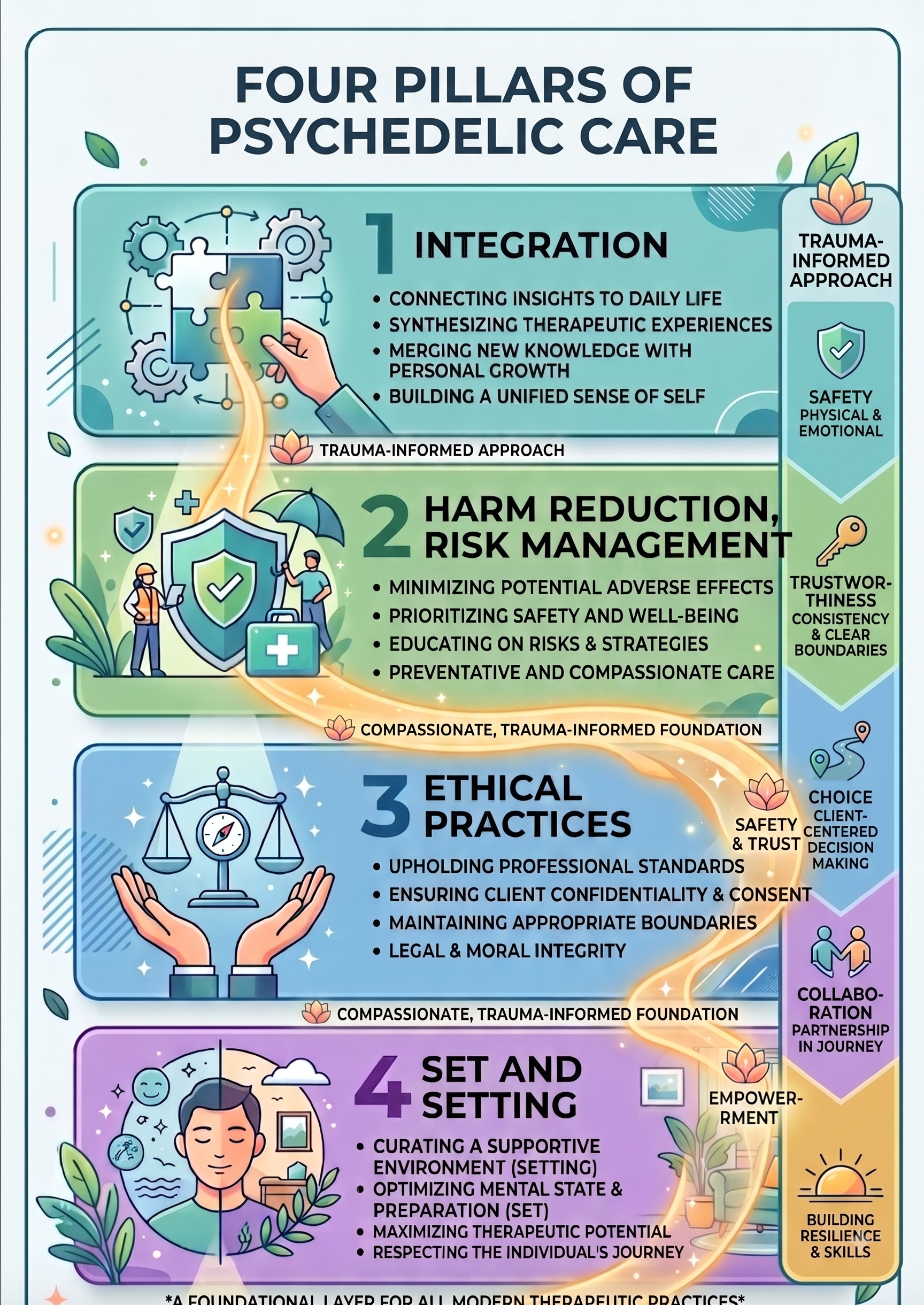
The Four Pillars of Good Psychedelic Care
Psychedelic care is grounded in more than the experience itself. These four core pillars—integration, safety, ethics, and nervous system awareness—shape whether insight becomes lasting change.

Self-Compassion: The Skill Almost Nobody Teaches You
What if the key to mental health isn’t fixing your thoughts—but learning how to treat yourself when things go wrong?
Self-compassion research shows that kindness toward yourself may be one of the most powerful predictors of resilience, emotional stability, and long-term well-being.

The Soul of Therapy: Why Who Your Therapist Is Matters More Than What They Do
What if the effectiveness of therapy depends less on technique—and more on the therapist themselves?
New perspectives in psychotherapy suggest that the therapist’s presence, self-awareness, and emotional engagement may be the most important factors in healing.

Psychedelics Don’t Work Alone
Psychedelic therapy isn’t just about the drug—it’s about the relationship.
New research shows that trust and rapport between therapist and patient can shape the psychedelic experience itself, influencing how deeply someone heals.